Learn · By Cladius Dedeler · 6 min read · Updated 5 Oct 2026
How outside information gets into North Korea
Most of North Korea's 26 million people don't really know what life is like anywhere else, and I'd guess that does more to keep the regime alive than any missile. Every channel that carries outside information in chips at that, and it's the one area where normal people outside can help directly.
- Main channelUSB drives & microSDCopied hand to hand and played on cheap "notel" players. 140,000+ drives donated or pledged to Flash Drives for Freedom.
- Hit hardest in 2025RadioRFA Korean shut down July 2025, VOA gutted, South Korea ended its broadcasts in June 2025.
- Mostly pausedBalloonsSouth Korea began enforcing a launch ban in 2025. The most visible method, probably not the most effective.
USB drives and SD cards
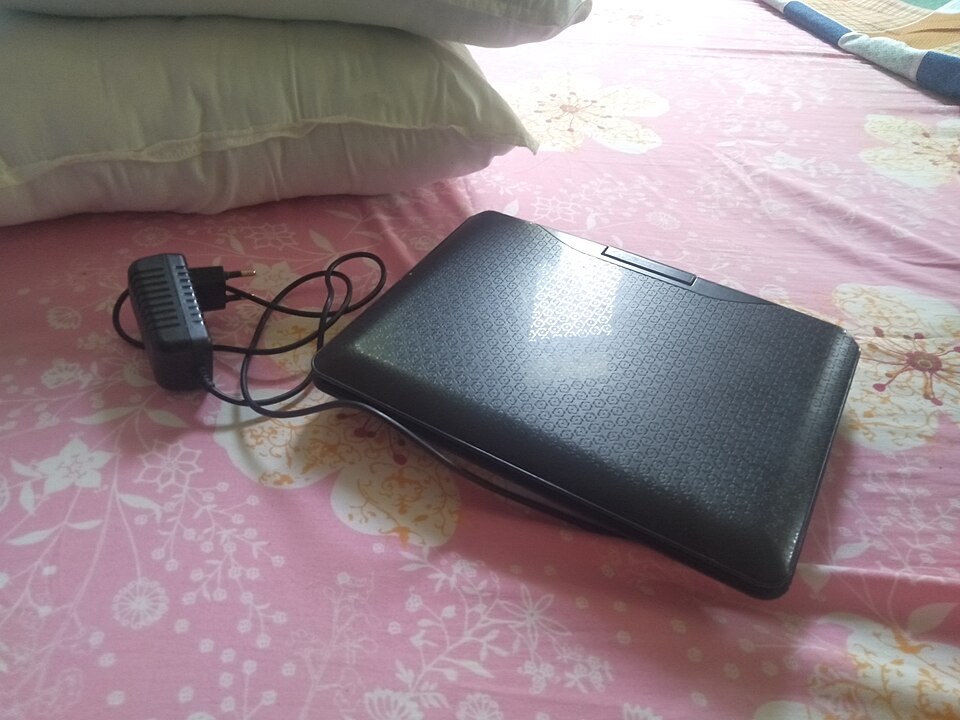
These are the main channel today. A lot of households have a "notel" (a cheap Chinese media player) or a phone that reads SD and microSD cards. Drives come in through traders on the Chinese border, hidden in cargo, and then get copied and passed hand to hand. A microSD card is tiny and cheap and easy to hide (or swallow), which is why groups switched to them.
What's on them? Mostly South Korean dramas and films, K-pop, news, Korean Wikipedia and escapee testimony. Nobody needs to lecture anyone. Watching a normal evening in Seoul kind of does that by itself.
Flash Drives for Freedom Flash Drives for Freedom (Human Rights Foundation)New York · since 2016 · ActiveCollects used USB drives, loads them with films, Korean Wikipedia and news, and gets them into North Korea through partner groups. (Human Rights Foundation) collects donated drives and says over 140,000 have been donated or pledged. It's still active in 2026 (a lot of people assume it stopped).
Radio
Official radios are fixed to state channels, but modified or smuggled ones pick up shortwave and medium-wave broadcasts at night. And this is the channel that got cut the most in 2025: Radio Free Asia's Korean service shut down on July 17, 2025 after its US grants were terminated, Voice of America was gutted, and South Korea's new government ended its own broadcasts and border loudspeakers in June 2025. So independent broadcasters like Unification Media GroupUUnification Media Group (UMG)Seoul · since 2014 · Active, funding hitProduces radio broadcasts and media aimed at listeners inside North Korea, much of it made by escapees. are now a much bigger share of what's left.
Balloons
Activists in South Korea have floated balloons with leaflets, USB drives, dollar bills and rice over the border for decades. In 2024 North Korea answered with thousands of trash balloons. In 2025 South Korea's government asked activists to stop and started enforcing a ban on launches, and most groups paused. Balloons are the most visible method, but probably not the most effective one.
What it costs North Koreans
A lot. The regime keeps adding laws against exactly this:
- Law on Rejecting Reactionary Ideology and Culture5 to 10 years of labor for watching or keeping South Korean media, more in "serious" cases, and the death penalty for spreading it on a large scale.
- The same law is revisedTightened two years later.
- Pyongyang Cultural Language Protection ActCriminalizes talking like a South Korean (slang, expressions), with death as the maximum penalty.
- UN report confirms executionsPeople were executed for distributing foreign media.
People do it anyway. I guess that tells you how much they want it.
How to help
- Flash Drives for FreedomMail your old USB drives ↗
- UUnification Media GroupWebsite ↗
 Daily NKWebsite ↗
- Mail spare USB drives or microSD cards to Flash Drives for Freedom.
- Donate to the groups that make and smuggle content (the information category on organizations).
- Ask your government to restore funding for Korean-language broadcasting.
- USB drives and microSD cards are the main channel now. Radio got cut hard in 2025, balloons mostly stopped.
- Watching South Korean media can mean 5 to 10 years of labor, spreading it widely can mean death, and people do it anyway.
- Easiest way to help: mail old drives to Flash Drives for Freedom.
Quick answers
- Is Flash Drives for Freedom still active?
- Yes. The Human Rights Foundation project was still collecting drives in 2026 and reports more than 140,000 drives donated or pledged.
- What happens to North Koreans caught with foreign media?
- Under the 2020 Law on Rejecting Reactionary Ideology and Culture, watching or keeping South Korean media can mean 5 to 10 years of labor (more in serious cases), and distributing it on a large scale can be punished by death. A 2025 UN report documented executions for distributing unauthorized media.
- Did radio broadcasts into North Korea stop?
- Many did. Radio Free Asia’s Korean service shut down in July 2025 after US funding was cut, and South Korea ended its government broadcasts and border loudspeakers in June 2025. Some independent broadcasters continue.
Fund a rescue, send information in, or support the people documenting abuses. Takes about ten minutes to start.
See what you can doSources
- Flash Drives for Freedomflashdrivesforfreedom.org ↗
- HRW: North Korea's window on the world is at risk of closinghrw.org ↗
- Human Rights Watch: "lost decade" (UN report, Sept 2025)hrw.org ↗
- Wikipedia: Law on Rejecting Reactionary Ideology and Cultureen.wikipedia.org ↗
- Wikipedia: Pyongyang Cultural Language Protection Acten.wikipedia.org ↗
- AP via KPBS: South Korea halts propaganda broadcasts (June 2025)kpbs.org ↗
- Al Jazeera: Radio Free Asia halts news operationsaljazeera.com ↗
- NK News: civic group halts leaflet launches after crackdownnknews.org ↗



Keep reading
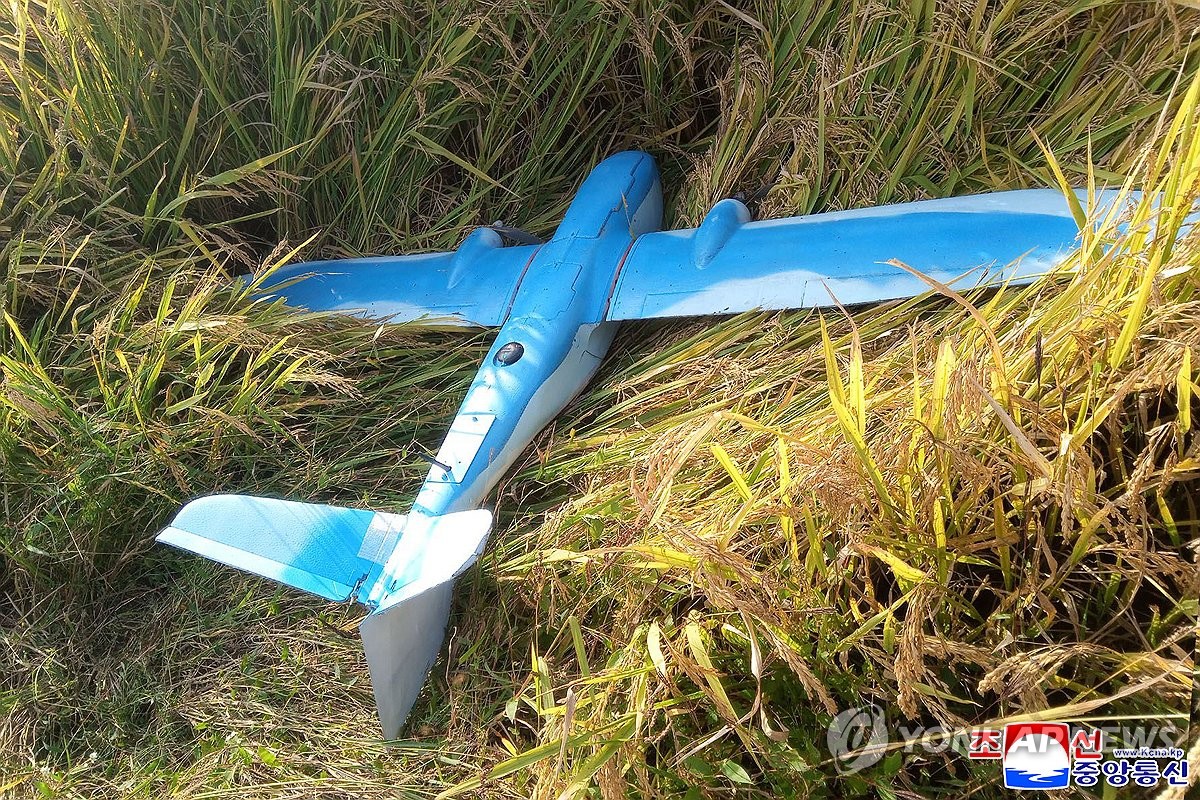 Three students flew drones into North Korea. South Korea prosecuted them.Four drone flights into North Korea, prison camps and Starlink dreams, intelligence money, and a treason-style charge a court threw out.9 min read
 How can North Korea be freed?Five ways the regime could end or open up, roughly how likely each one is, and which ones normal people can actually push on.8 min read
 Is it possible to free North Korea?Why the regime has lasted since 1948, the cracks that are already there, and what history says about "permanent" dictatorships.6 min read